Why Are There So Many Empty Houses in Japan? Beyond the Akiya Dream
Japan’s empty homes are often presented as irresistible bargains. In reality, they reveal a country struggling with inheritance, depopulation and a housing stock increasingly out of step with where — and how — people want to live.
© クメリさん / photoAC
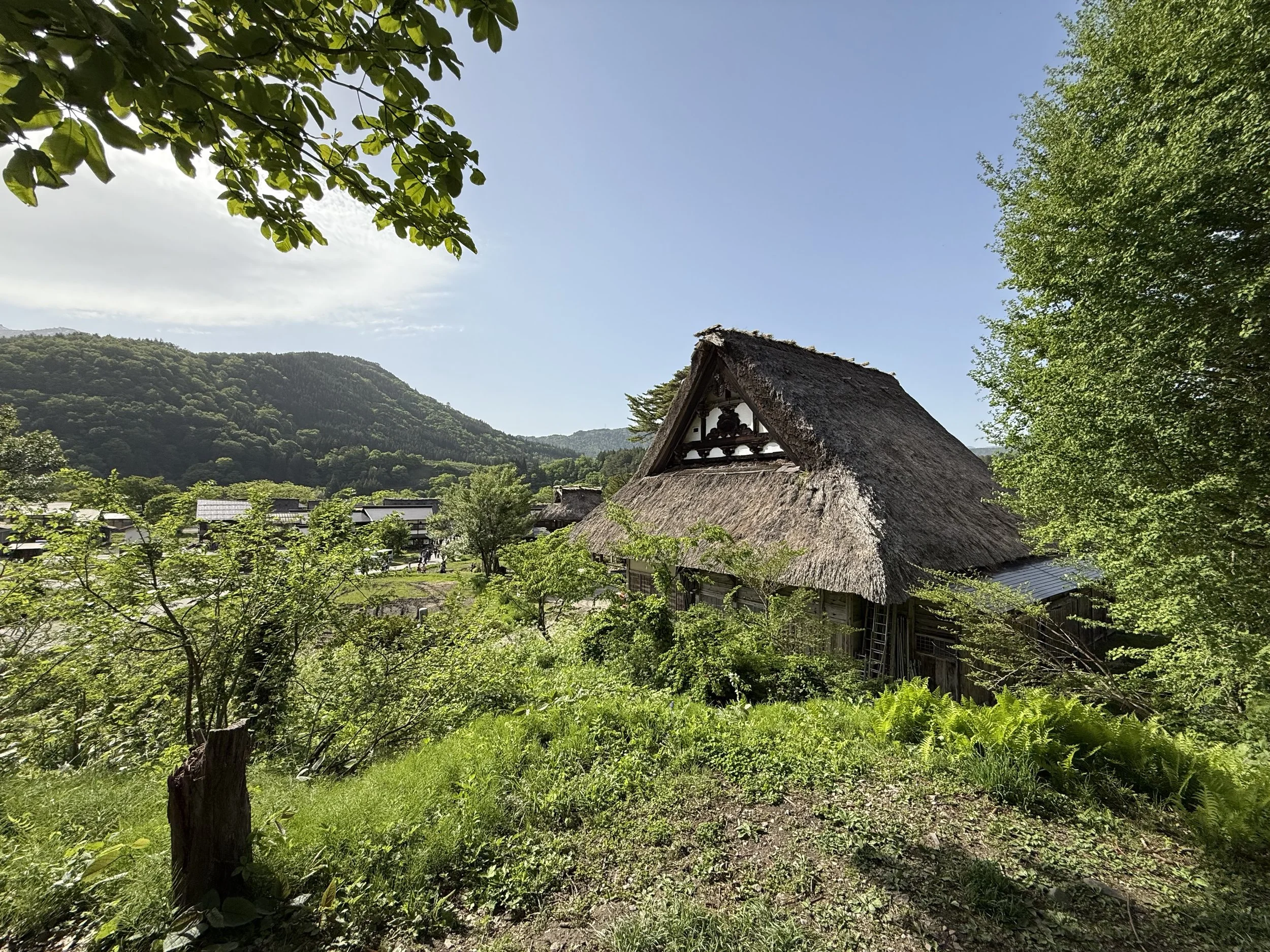
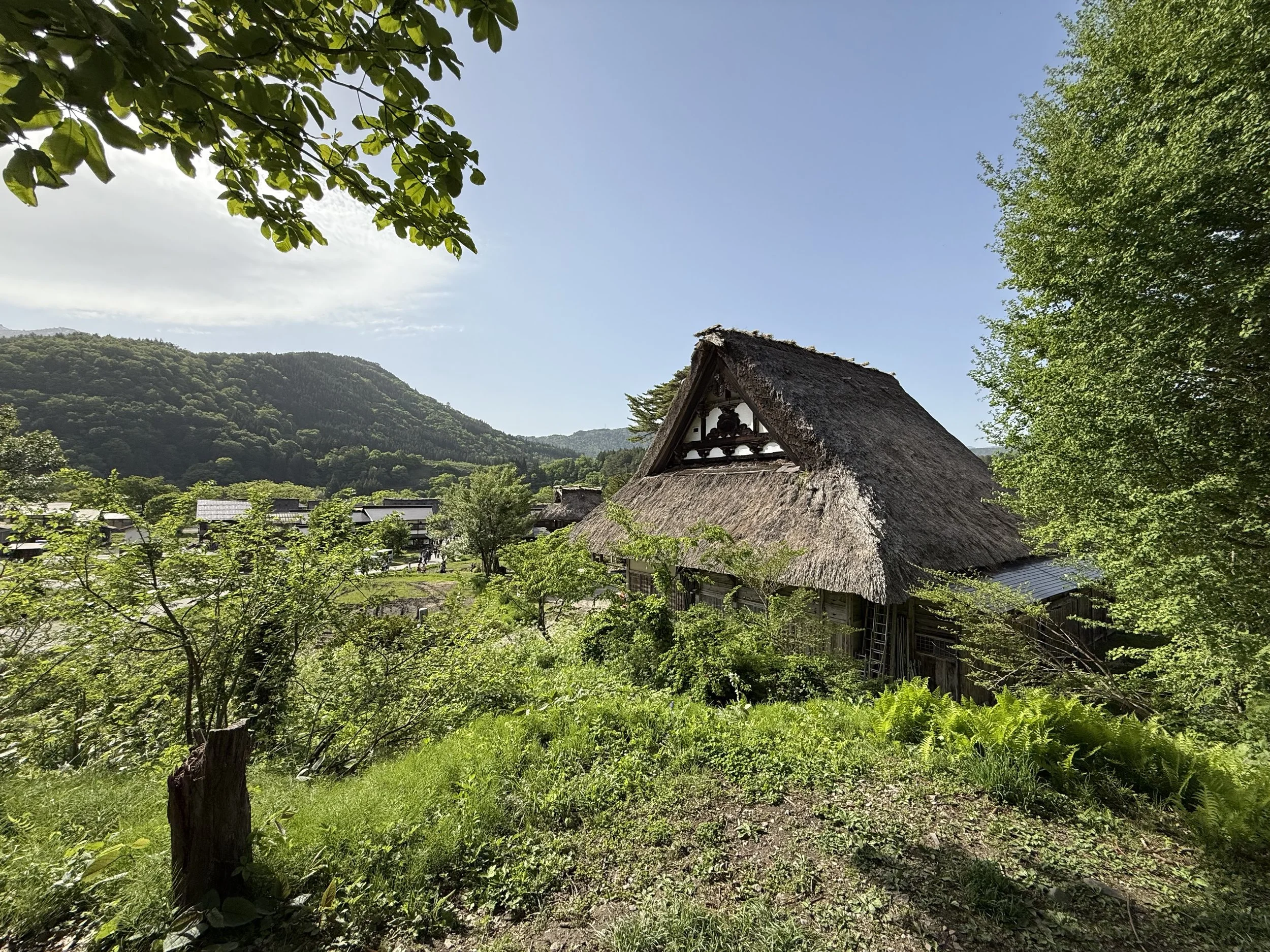
I understand the appeal of an old house in Japan because I have carried that dream myself for a long time. When I was sixteen, I lived with a Japanese host family in their old house, surrounded by a garden and traditional details that made everyday life feel entirely new to me. That little touch of magic. It was not a polished version of Japan designed for visitors. It was a family home, shaped by generations, routines, seasons and the people who lived there.
I have never entirely given up the idea of one day owning such a place. It is easy to see why the dream has become so seductive online: tatami rooms, sliding doors, perhaps a garden left to grow wild and a price lower than that of a small apartment in many European cities!
Japan’s empty houses, known as akiya, are the visible remains of a much larger transformation. One shaped by an ageing population, migration to the cities, complicated inheritances and decades of overbuilding. The real question is therefore not how cheaply an akiya can be bought. It is why the house became empty in the first place.
The Myth of Nine Million Abandoned Houses
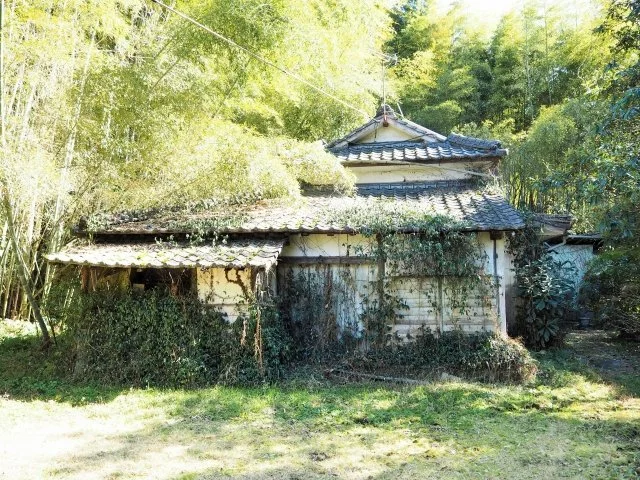
In 2023, Japan recorded nine million vacant homes, the highest number since official records began. They represented 13.8 per cent of the country’s housing stock, roughly one in every seven homes. The figure is striking, but it is often misrepresented. Japan does not have nine million abandoned houses. The official total also includes 4.43 million properties intended for rent, 330.000 offered for sale and 380.000 second homes. The most troubling category consists of 3.856 million homes with no intended use. This group grew by almost 370.000 between 2018 and 2023 and accounted for most of the increase in vacancy.
These homes have slipped out of the market altogether. Many still belong to families who have not decided — or are legally unable to decide — what should happen next.
© PORTE(福岡県) / photoAC
How a Family Home Becomes an Akiya
In 2024, 29.3 per cent of Japan’s population was aged 65 or older. Rural communities feel this most visibly as younger generations leave for education and work while their parents remain behind.
An akiya frequently begins with an ordinary family transition. An elderly resident dies or moves into a care facility. The children inherit the property but have already established their lives elsewhere. They may own homes of their own, live several hours away or have no realistic reason to return. The house is rarely abandoned in a single decision. It simply stops fitting into anyone’s life.
For readers accustomed to treating a home as an investment, the Japanese market works somewhat differently. The land and the building are valued separately. Land in a desirable urban location may retain or increase its value, while the house is treated as a depreciating asset. Japan’s tax system assigns wooden residential buildings a statutory useful life of 22 years. This does not determine how long a house can physically last, but it has helped shape a market in which older wooden buildings are often treated as contributing little to the property’s resale value. Older homes may require seismic upgrades, insulation or extensive renovation, and many buyers just continue to prefer new construction.
Buying a house in Japan can still be a sound investment when the location and intended use are right. But ownership does not automatically build wealth. In a depopulating area where demand for the land is also weak, an ageing house can gradually become a liability.
Inherited by Everyone, Claimed by No One
Inheritance is one of the least visible parts of the akiya problem. Surveys indicate that a majority of long-term vacant homes were acquired through inheritance. Until recently, registering inherited property was not compulsory. After several generations, ownership might be divided among numerous descendants. Selling, renovating or demolishing it could require agreement from heirs who no longer know one another — or cannot be found. Since April 2024, heirs have generally been required to register inherited real estate within three years of learning about it. The reform is intended to prevent more properties from disappearing into unclear ownership.
© CoCoMo1996 / photoAC
Why Demolition May Cost More Than the House
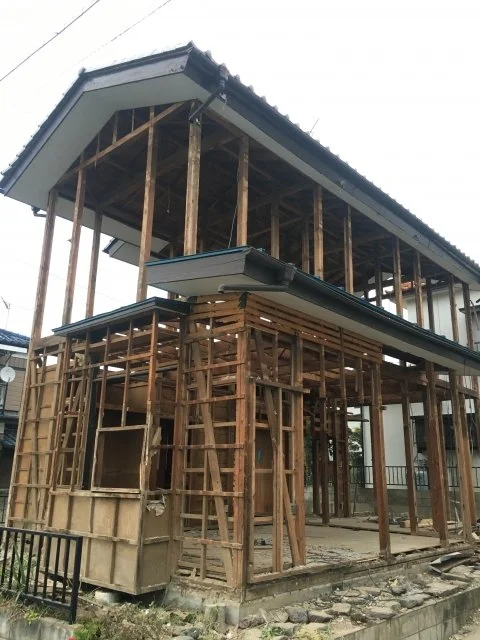
Demolition might appear to be the obvious solution. But costs rise when a building contains asbestos, stands on a narrow site, is filled with possessions or cannot be reached by machinery. There has also been a financial reason to leave houses standing. Residential land in Japan receives a significant property-tax reduction. Once the house is demolished, that reduction can disappear, leaving the owner with an empty plot and a higher tax burden. Changes to the Vacant Houses Act now allow municipalities to withdraw the advantage from inadequately maintained properties. Still, owners may have to spend substantial sums to remove a house from land nobody wants to buy. The cheapest choice in the short term is often to do nothing. Across thousands of properties, that private postponement becomes a public problem.
Still A Cheap House is a House
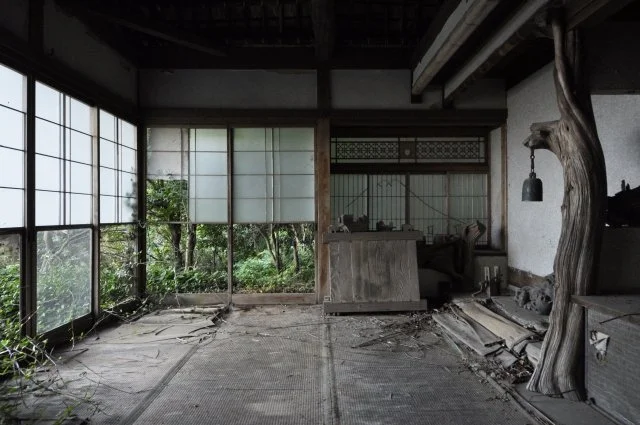
The international fascination with akiya tends to focus on purchase prices. What it leaves outside the frame is the cost of making a life around the house. An inexpensive property may need a new roof, plumbing, wiring, insulation and seismic reinforcement. Humidity, termites and snow can cause extensive damage, while traditional buildings may require scarce specialist craftspeople. Beyond the walls lies the more difficult question of place. Is there employment nearby? A school, hospital or supermarket? Can the house be reached without a car?
A house may be almost free because the infrastructure that once made life there possible is gradually disappearing. Ownership alone cannot reverse depopulation. A beautiful restoration can save a building; it cannot reopen a school, create stable employment or restore a neighbourhood.
© ソライロ / photoAC
When Restoration Becomes More Than Renovation
Some of Japan’s most convincing akiya projects begin with this understanding.
In Onomichi, overlooking the Seto Inland Sea, the Onomichi Akiya Saisei Project works with residents, craftspeople, architects and the city. Empty buildings have become homes, cafés, bookshops, studios and guest accommodation. The project creates relationships, skills and work around restoration.
Mino, associated with traditional washi papermaking, has converted vacant buildings into accommodation, shops and a coworking space. Markets invite people to form an ongoing connection with the city even without living there permanently—a kankei jinkō, or “related population”.
These projects succeed because the house is treated as part of a wider local ecology. Renovation is connected to employment, craft, community and long-term stewardship.
What Akiya Reveal About Japan’s Future
Japan’s empty houses are an early map of a future many ageing societies may face: fewer people, more buildings and difficult decisions about what should remain. Not every empty house can — or should — be saved. Some will return to use, some will be dismantled, and others will continue to disappear into the landscape. The challenge is to distinguish preservation from nostalgia and regeneration from a short-lived property trend. An akiya is not merely an inexpensive object waiting for a more imaginative owner. It is the final link in a chain connecting one family to a house and one house to a community. When those connections break, a low price cannot simply recreate them.
Seen from Europe, Japan’s housing problem can appear almost inverted. Many European cities struggle to build enough affordable homes, while Japan continues to add new housing despite a shrinking population and millions of vacant properties. Unlike many European capitals, Tōkyō has continued to build housing at a remarkable pace. Flexible zoning, dense development and an extensive railway network have helped keep rents relatively moderate for a city of its size. Yet both regions share a similar mismatch between the dream of an affordable big family home and the homes actually available. Homes may exist, but not necessarily where people can find work, services and a viable everyday life. Europe is not short of buildings everywhere, just as Japan is not oversupplied everywhere.
I have not abandoned my own dream of a house in Japan. But the dream has changed. I would no longer ask only whether I could afford to buy the house. I would ask what the building requires, what kind of life the surrounding place can support and what responsibility comes with becoming part of a community rather than simply acquiring a beautiful property. I do not imagine a speculative bargain. I remember wooden corridors, a garden and the intimacy of gathering in the only heated room during winter.
-
Akiya (空き家) is the Japanese term for an empty or unoccupied home. It can describe anything from a neglected rural farmhouse to an unused apartment in a major city.
-
Japan’s ageing population, rural depopulation and declining household numbers all contribute to the growth of vacant homes. Complicated inheritances, weak demand and high renovation or demolition costs can leave properties empty for decades.
-
Some homes are advertised for symbolic prices, but they are rarely free in practice. Registration fees, taxes, repairs, earthquake reinforcement, insulation and demolition can cost far more than the building itself.
-
No. Vacant homes also exist in suburbs and cities. Japan’s housing problem is largely a mismatch: many available homes are not in the locations, condition or format that today’s residents want.
-
Yes. Foreign nationals can generally purchase and own property in Japan, including an akiya. However, buying a house does not provide a visa or the right to live in Japan. Financing may also be difficult without permanent residency or income in Japan, and some local akiya programmes impose additional conditions, such as permanent residence in the municipality or renovation within a specified period.
Selected Sources
Statistics Bureau of Japan, 2023 Housing and Land Survey
Statistics Bureau of Japan, Population Estimates 2024
Ministry of Justice, Mandatory Inheritance Registration
Government of Japan, Reviving Vacant Houses in Mino
From IC cards and luggage forwarding to restaurant hours and unspoken rules, these are the practical details I no longer consciously notice, but wish every first-time visitor knew. This is my attempt to remember them and to answer the questions people still ask me before their first journey: What should I know about Japan?